
Is electrification enough for a longer lifespan?
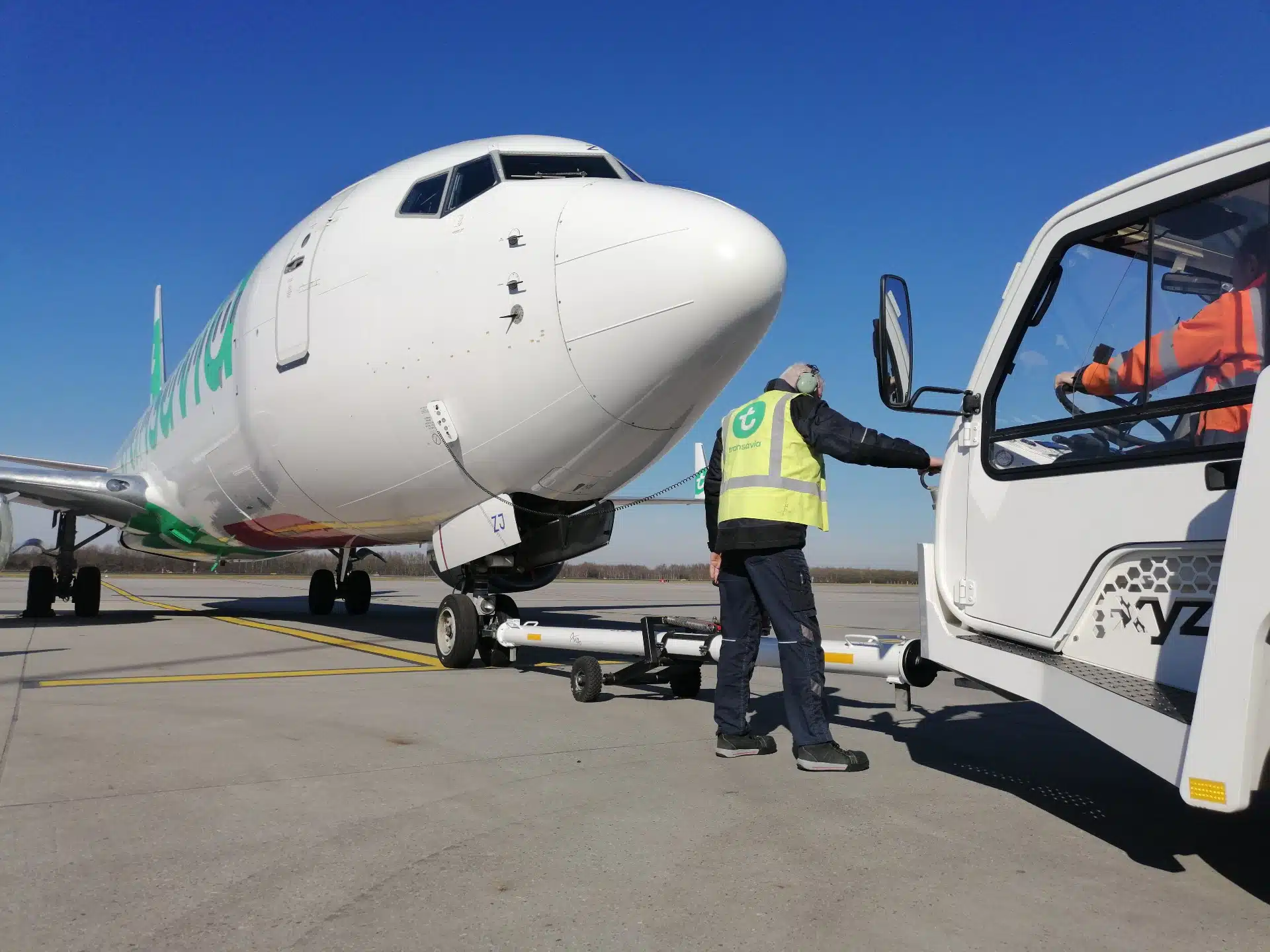
In the coming months, one of our converted pushback tractors will be heading to Spain. New customers have been identified and convinced of the value benefits of conversion for their fleet. As a next step, they will use the demo pushback tractor to experience, among other things, its performance. After all, we simply sell a pushback tractor that can perform 20 to 25 pushes on a single battery charge. But users do want to experience this innovative product beforehand. For many operators and equipment owners, driving electric is still a daunting step, as there's often a lingering fear that there won't be enough capacity to run operations for a full day.
But anyway, the specifications — 20 to 25 pushes in a day, while still having enough capacity left to drive 2 km back to the charger — are there to be validated. But step 1 is always convincing the user of the value benefit of conversion, which includes explaining advantages such as:
It's more cost-effective.
You can keep using your current fleet, with the added benefit of extending its lifespan.
Lead times are better.
As an organization, you become future-proof by being emission-free.
The first two points often lead to good, critical questions. Is it really cost-effective? Can I actually extend the lifespan of my fleet if I replace the combustion engine with an electric drivetrain? If not, is it really still that cost-effective?
Ultimately, the question is: what does conversion mean for my equipment, beyond simply becoming emission-free?
The components most prone to maintenance issues and economically depreciated are the existing transmission and/or torque converter and the combustion engine. During conversion, these are replaced with an electric drivetrain. The rear axles, with an average lifespan of 25–30 years, remain in place. If the vehicle is 10 years old, user-facing parts such as mirrors, tires, seats, and the steering wheel will likely need replacing. But these refurbishment costs are minimal — let's say, on average, €2,250. That means refurbishment makes up less than 3% of the difference between conversion and a "potentially available" new purchase! And that's without even factoring in the advantage of our lead time.